
Cancers publishes the preclinical research behind topical bimiralisib for actinic keratosis
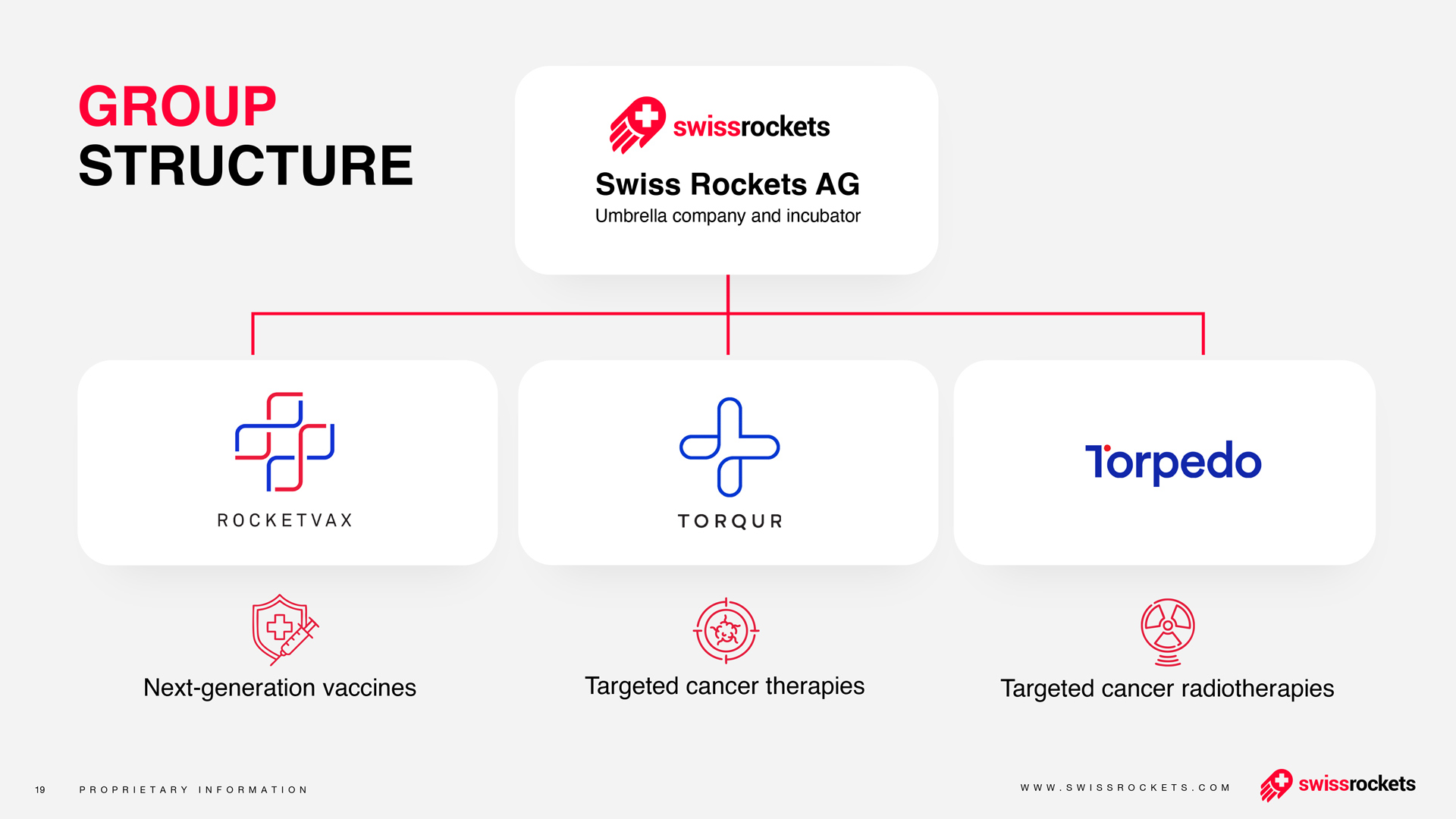
Co-authored by researchers from Swiss Rockets AG and collaborating institutions, including the University of Pennsylvania, Akribes Biomedical and Pierre Fabre Research Center, the publication brings together findings from two preclinical disease models, experiments in human tissue and studies of drug penetration into the skin. Torqur AG, a Swiss Rockets company advancing innovative clinical-stage treatments for oncology and dermatology, is developing the investigational 2% bimiralisib gel for AK.
Actinic keratoses are precancerous lesions that arise on sun-exposed skin and can progress to cutaneous squamous cell carcinoma (cSCC), a form of skin cancer. The PI3K–mTOR signaling pathway, which regulates cell growth and survival, is overactive across this spectrum. The researchers investigated whether topical delivery could bring enough bimiralisib, an inhibitor of both PI3K and mTOR, to the epidermis, where AK lesions arise.
Key findings include:
- Regression of established lesions in a transgenic mouse model. Topical bimiralisib reduced lesion area by more than 99% after four weeks, with no observed redness, crusting or ulceration. Oral dosing in the same model did not significantly reduce lesion area. The authors interpreted these findings as evidence that achieving sufficient drug exposure in the epidermis is important for activity.
- Preliminary findings in a UV-B-induced mouse model. During treatment, topical bimiralisib limited the occurrence of cSCC and reduced a marker of cell proliferation. Atypia in AK lesions persisted, and the occurrence of cSCC increased after treatment stopped. The authors describe these findings as hypothesis-generating.
- Evidence of pathway inhibition in human tumour tissue. In a small laboratory study using human cSCC tissue samples, increasing concentrations of bimiralisib were associated with a progressive decrease in phosphorylated AKT, a marker of PI3K–mTOR pathway activity. The finding did not reach statistical significance.
- Delivery to the epidermis. Skin penetration studies showed that the selected gel formulations delivered bimiralisib preferentially to the epidermis, at concentrations consistent with those required for pathway inhibition in laboratory assays. The paper also summarizes an earlier first-in-human study in which the 2% gel was well tolerated with no measurable systemic exposure in most cases.
Together, these findings provided the rationale for evaluating the 2% gel in a multicenter, open-label Phase 2 proof-of-concept study in patients with mild or moderate actinic keratosis (Olsen grades 1 and 2). The Phase 2 efficacy and safety results will be reported separately.
OTHER NEWS







Download Our
Company Factsheet
your name
your email
organization name