
Torqur Receives European Commission Orphan Drug Designation for Bimiralisib in Thymic Epithelial Tumours
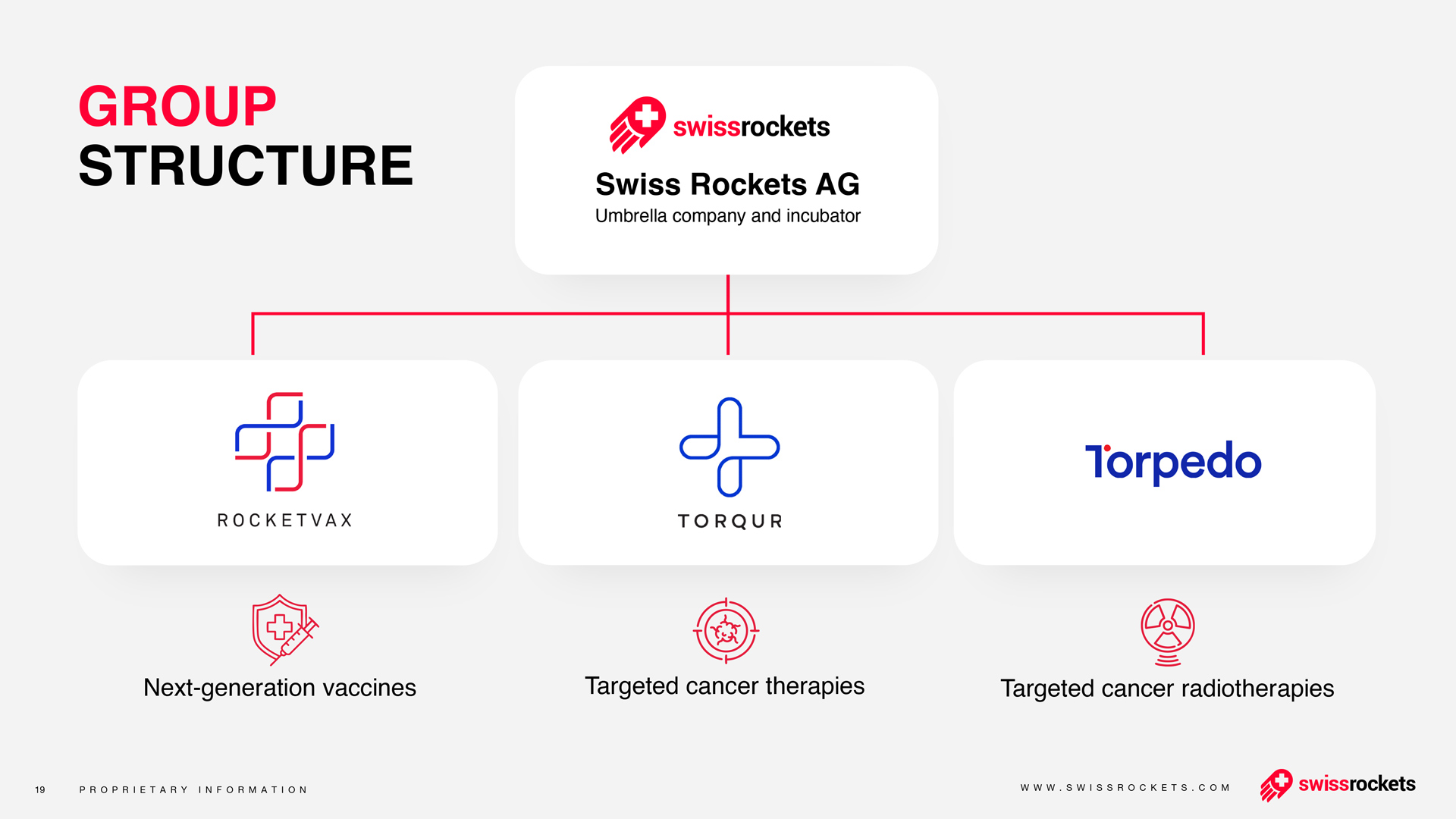
Basel, Switzerland, 31 August 2026 – Torqur AG, a Swiss Rockets company advancing innovative clinical-stage treatments for oncology and dermatology, today announced that the European Commission has granted orphan drug designation (ODD) for bimiralisib for the treatment of thymic epithelial tumours, following a positive opinion from the European Medicines Agency's (EMA) Committee for Orphan Medicinal Products (COMP). This marks bimiralisib’s third orphan drug designation, and its first in a solid tumour indication, building on the company’s broader oral bimiralisib oncology pipeline.
An EU Orphan drug designation reflects the intention to diagnose, prevent or treat a life-threatening or chronically debilitating condition affecting not more than five in 10 thousand people in the Community when the application is made. Thymic epithelial tumours are severe and life-threatening cancers with significant unmet medical need and a lack of effective treatment options and are chronically debilitating due to their association with severe autoimmune comorbidities, such as myasthenia gravis, and their potential progression to refractory disease. The ODD recognizes the potential of bimiralisib to address the needs of patients affected by this devastating disease. Orphan designation in the EU provides access to protocol assistance and reduced regulatory fees during development and, upon marketing authorisation, up to ten years of market exclusivity in the designated indication.
The COMP's positive opinion was based on the nonclinical and clinical data package submitted for bimiralisib in this indication. The ODD in thymic epithelial tumours adds to Torqur's broader oral bimiralisib oncology development program. The company continues to evaluate bimiralisib's potential across additional solid tumour types linked to this pathway, alongside its topical bimiralisib program in actinic keratosis (AK), which is advancing towards Phase 3.
Dr. Vladimir Cmiljanović, Founder, Chairman and CEO of Swiss Rockets AG, commented: “This orphan drug designation is an important milestone for bimiralisib's development — the first time our dual PI3K/mTOR platform has earned this recognition in a solid tumour. It reflects our continued commitment to bringing bimiralisib to patients with thymic epithelial tumours, who currently have very few treatment options. It also strengthens our conviction in bimiralisib’s potential across the broader oncology pipeline we are building.”
Dr. Fabio Conforti, Chief of the medical oncology breast unit at Humanitas Gavazzeni, Bergamo: "Thymic epithelial tumours are rare and biologically diverse cancers, and treatment options for patients have historically been limited. Research into therapies that target relevant molecular pathways is an important step forward, and I am glad to see bimiralisib being evaluated for its potential to address this significant unmet need.”
About Bimiralisib
Bimiralisib is Torqur's dual pan-PI3K/mTOR inhibitor developed for oral administration in the treatment of malignant diseases with altered PI3K/AKT/mTOR pathway signalling, one of the most frequently dysregulated signalling cascades in cancer. By potently and selectively blocking the PI3K/AKT/mTOR pathway at two nodes rather than one, bimiralisib is designed to promote cancer-cell death while suppressing or reversing the drug-resistance mechanisms that can limit single-node inhibitors. In dermatology, bimiralisib is being developed as a topical formulation for actinic keratosis (AK), the world's most common precancerous skin condition, with pivotal Phase 3 trials expected to begin in 2027.
OTHER NEWS





Download Our
Company Factsheet
your name
your email
organization name